Contents
The Flying Spur is Bentley's four-door saloon, or sedan in North American usage. Its most interesting design challenge is accommodating two kinds of involvement: the person controlling the car and the person being carried. Looking only at the driver's seat leaves half that story unexplored.
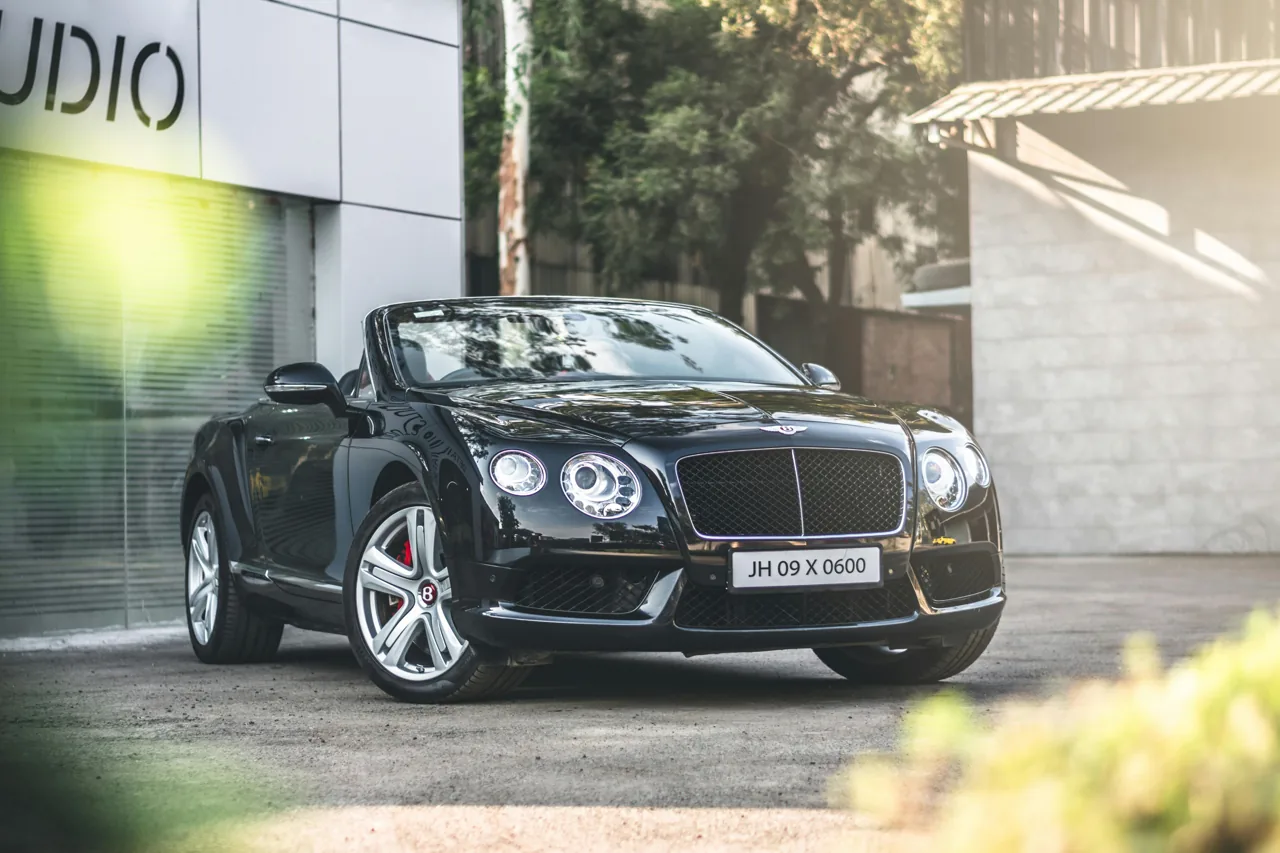
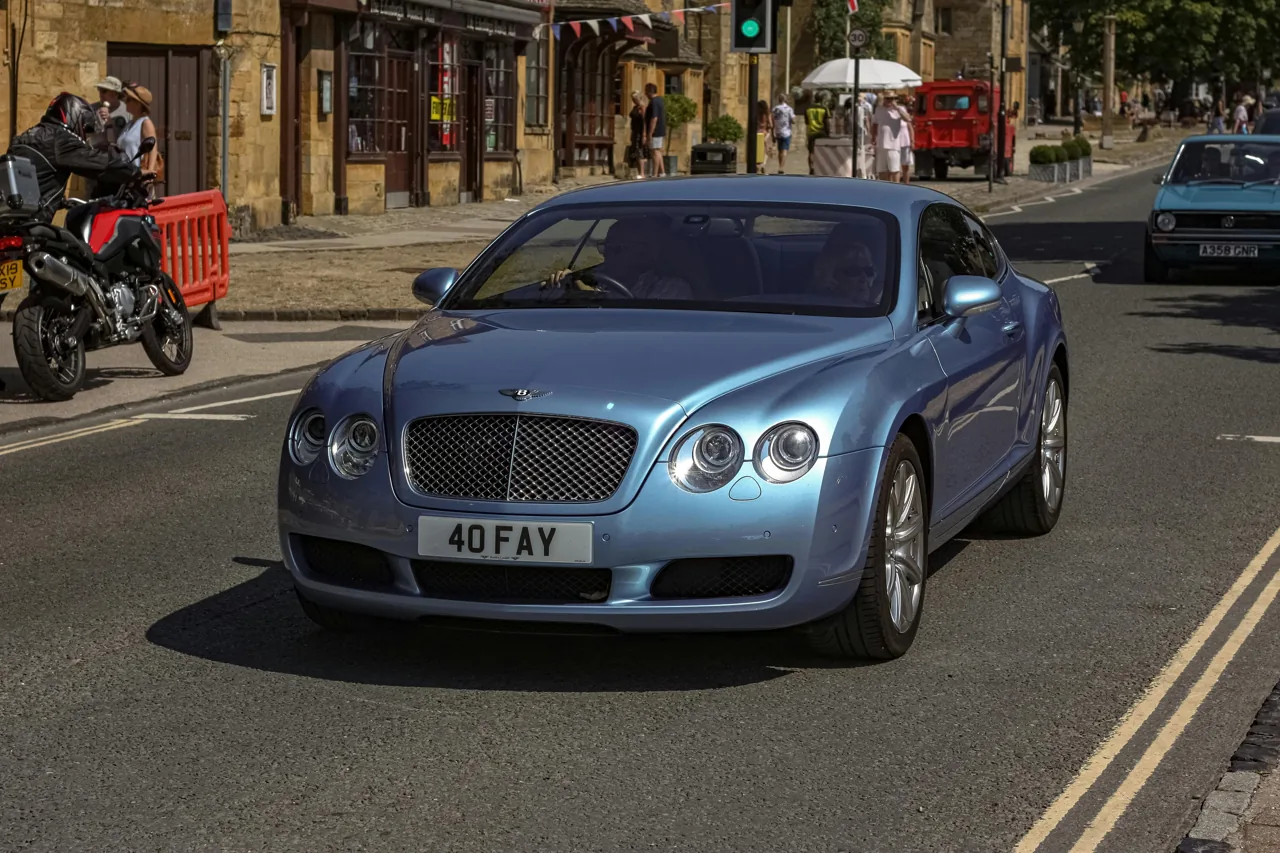
The fourth-generation Flying Spur was announced in September 2024 with a V8 hybrid powertrain. Earlier cars have different engines and equipment, so a historical photograph should not be read as an illustration of the current specification. Start with the generation and the fitted options before discussing how a particular cabin works.
Conduct a two-seat conversation
Set the front seat for its usual occupant while the car is parked. Then let the rear passenger find their own position. Do not temporarily move the driver's seat forward simply to make the back look generous; record both positions as they will actually be used.
Ask each person to make three observations without hearing the other's answers. The driver might mention sightlines, control reach and support behind the shoulders. The rear passenger might mention foot placement, temperature and the effort of entering. Compare those notes before discussing finishes or equipment names.
This is an editorial assessment exercise, not a measured comfort test. Its value is that one person's enthusiasm is less likely to overwrite another person's experience.
Separate comfort from the feature count
A seat with more adjustments offers more possible positions, but someone must be able to find a useful one. Try the adjustment sequence while stationary. Notice whether changing one setting means correcting another, and whether the preferred position leaves the seat belt and door controls accessible.
| Observation | A useful note | An unhelpful conclusion |
|---|---|---|
| Rear foot space | “With the front seat at this position, my feet fit here” | “All passengers will have plenty of room” |
| Cabin sound | “Conversation was easy on this surface at this lawful speed” | “The car is silent” |
| Seat support | “This setting reduced pressure behind my knees” | “More adjustments always mean more comfort” |
| Controls | “I could find temperature and seat controls after this explanation” | “The touchscreen is intuitive for everyone” |
A factual note can be revisited. A superlative usually cannot.
Give the luggage its own appointment
A four-door cabin does not establish how many people's bags will fit. An airport journey often combines rigid cases, hand luggage and coats; an evening outing might involve almost none of them. List the actual objects, try the luggage opening where permitted and keep loose items secured appropriately.
For a chauffeured occasion, confirm the specific vehicle and load with the operator. Ask how substitutions are handled and where boarding will take place. A photograph in a booking gallery is not a promise about the exact car or its fitted seating. Written arrangements are more useful than discovering a mismatch at the kerb.
Appreciate the driver's side of the brief
From the front, look at the relationship between the instruments, the steering wheel and the view along the car. Locate ordinary controls before exploring entertainment features. If a drive is available, include low-speed urban use as well as a smoother road; these place different demands on the person driving and the people riding.
Keep observations specific to that example. Its tyres, settings, road surface and maintenance condition are part of the experience. This publication has not carried out a Flying Spur road test, and a reader's short encounter should not be stretched into one either.
A rewarding Flying Spur discussion can accommodate differing preferences. A passenger may care most about an easy entrance; a driver may enjoy the way the cabin is organised. The car's dual purpose becomes more interesting when both voices are heard.
Sources & reading notes
Independent researched guidance. Examples are editorial illustrations, not vehicle quotations or firsthand road tests. Our editorial standards.