Contents
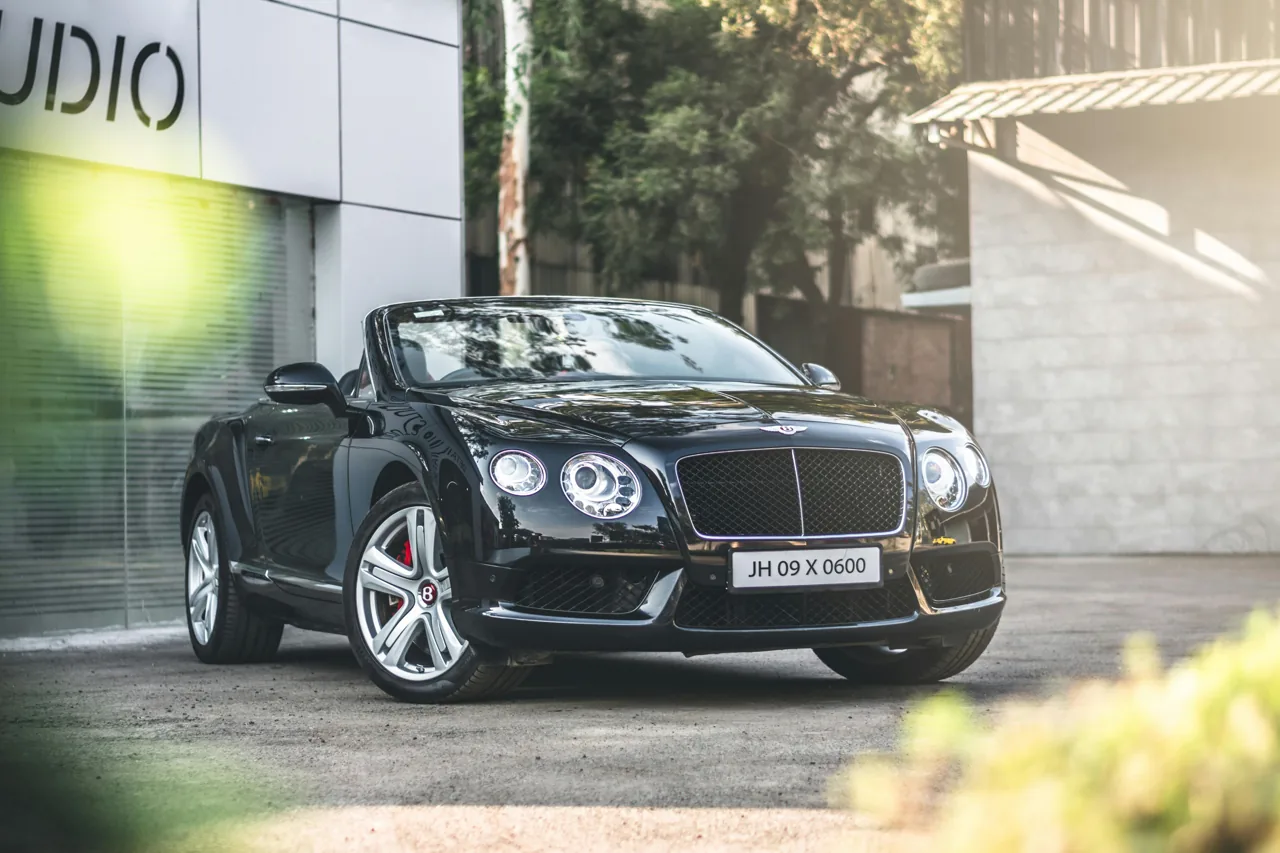
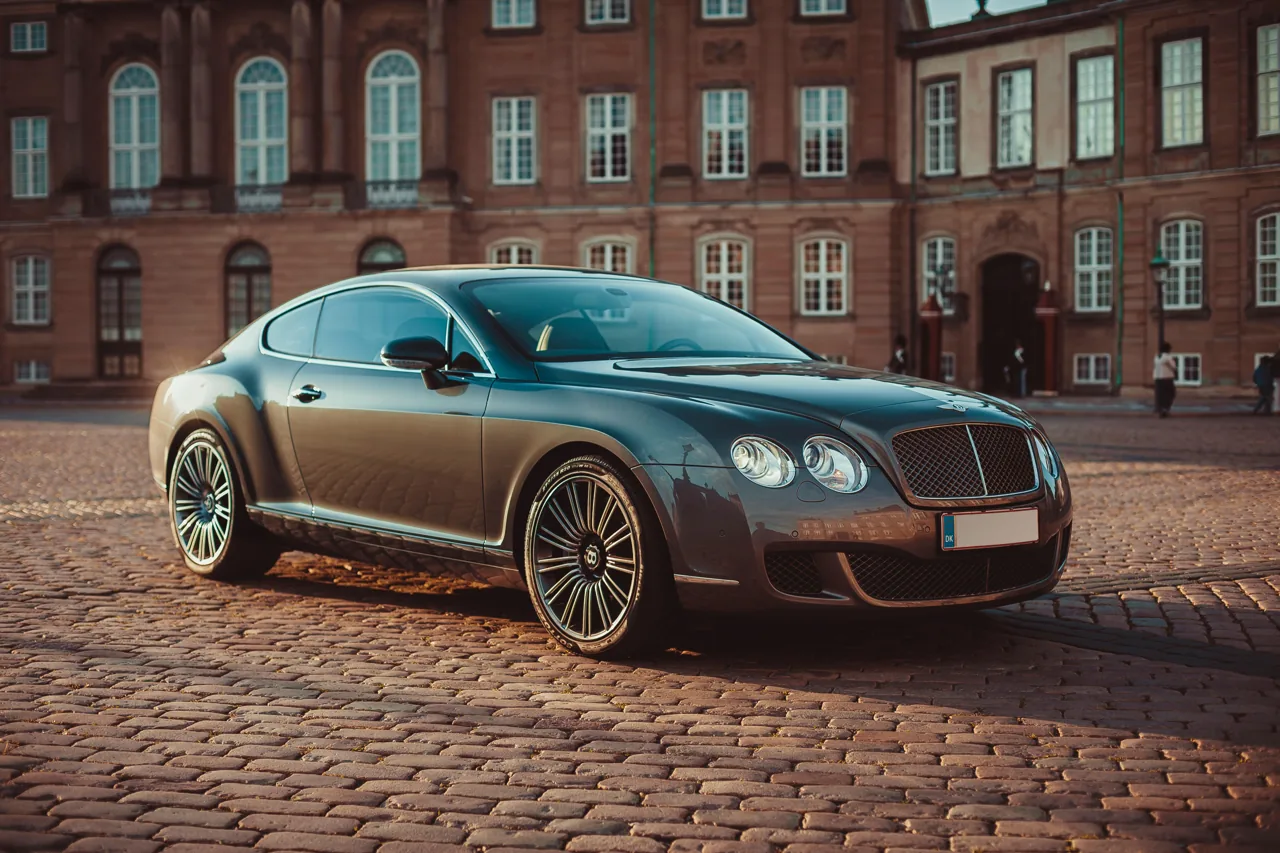
Bentley's model names become easier to remember when you connect each to its body style. The Continental GT is the coupe, the Continental GT Convertible is its open-top counterpart, the Flying Spur is the four-door saloon and the Bentayga is the SUV. Extended Wheelbase, Speed and Mulliner then describe different kinds of variation; they are not interchangeable labels.
This is a map for enthusiasts, not a sales shortlist. It helps you decide which design, engineering or travel question to explore next. Current family pages change as derivatives develop, while the same names remain attached to older cars with different specifications.
Begin with the body, then follow the question
| Family | Starting point | A question worth exploring | Read next |
|---|---|---|---|
| Continental GT | Two-door coupe | How has the grand touring brief changed across generations? | Continental GT generations |
| Continental GT Convertible | Open-top GT | How do weather and luggage change an open-air journey? | Continental Convertible touring |
| Flying Spur | Four-door saloon / sedan | How does the cabin serve both driver and rear passenger? | Flying Spur passenger comfort |
| Bentayga | SUV, including an EWB branch | What does extra passenger space mean for real use? | Bentayga seating and space |
The descriptions above are family-level orientation. They are not promises about an individual car's equipment, luggage capacity or availability in a particular market. Bentley's current model directory is the primary starting point for the present range.
Read the second part of the name carefully
EWB means Extended Wheelbase: the distance between the axles is increased relative to the corresponding standard-wheelbase vehicle. It directs your attention toward proportions and accommodation. Speed directs attention toward a particular performance-oriented derivative. Mulliner introduces questions about Bentley's personalisation and specialist craftsmanship activities as well as named model derivatives.
Those terms answer different questions. A longer wheelbase does not tell you the engine. A performance badge does not provide the complete options list. A Mulliner description does not automatically mean that the entire vehicle is a unique coachbuilt commission.
For a useful reading habit, write a description in layers: family, generation, derivative, powertrain and market. Add the original source. A short, precise description is more informative than a long list of equipment copied from a different year's brochure.
Keep heritage models on a separate shelf
The Arnage and Mulsanne belong in Bentley's historical discussion. They deserve attention on their own terms rather than being presented as current showroom alternatives. Their appeal may lie in a particular engineering period, cabin arrangement or individual history.
This separation also improves image interpretation. A photograph can help you appreciate a body shape without proving its year or variant. If you cannot identify the precise model from reliable evidence, describe what is visible and leave the uncertainty intact.
Three ways to enjoy the range without ranking it
A design-minded reader might compare the roofline and rear proportions of a GT with the more formal four-door layout of a Flying Spur. Someone interested in travel might examine open-top luggage planning against the Bentayga's different loading arrangement. A technically curious reader might follow the Continental GT's W12 origins through to its hybrid era.
Each route produces a different set of interesting details. None requires declaring one family universally superior. Start with the question that holds your attention, then use the relevant model guide in this journal to build a more complete picture.
Sources & reading notes
Independent researched guidance. Examples are editorial illustrations, not vehicle quotations or firsthand road tests. Our editorial standards.