Contents
Bentley's history is often reduced to a few familiar ideas: racing, craftsmanship and luxury. Those themes are worth exploring, but they become more interesting when attached to particular cars and decisions. A useful history asks what a vehicle was intended to do and how its design served that purpose.
Bentley's official heritage archive provides a starting point for the company's history and earlier models. Use it as a historical reference rather than borrowing its promotional language. When reading about a specific car, keep the original period, later restoration and modern interpretation separate.
Begin with purpose
At a museum or car gathering, ask what problem the vehicle was designed around. Was the emphasis on competition, long-distance travel, passenger accommodation or a combination? Look at seating, luggage provision, visibility and the arrangement of controls. These are clues to use, even before you learn a specification.
Avoid judging an older car entirely through modern expectations. The absence of a screen says little about the thought that went into its instruments or cabin. Equally, age does not automatically make every solution better. Comparing eras is more useful when it explains a trade-off instead of declaring a winner.
Notice continuity and change
A marque's visual identity can survive while proportions, materials and technology change substantially. Compare the location and scale of a grille, the relationship between cabin and bonnet, and the way brightwork frames an opening. Record what you see before reaching for words such as timeless or iconic.
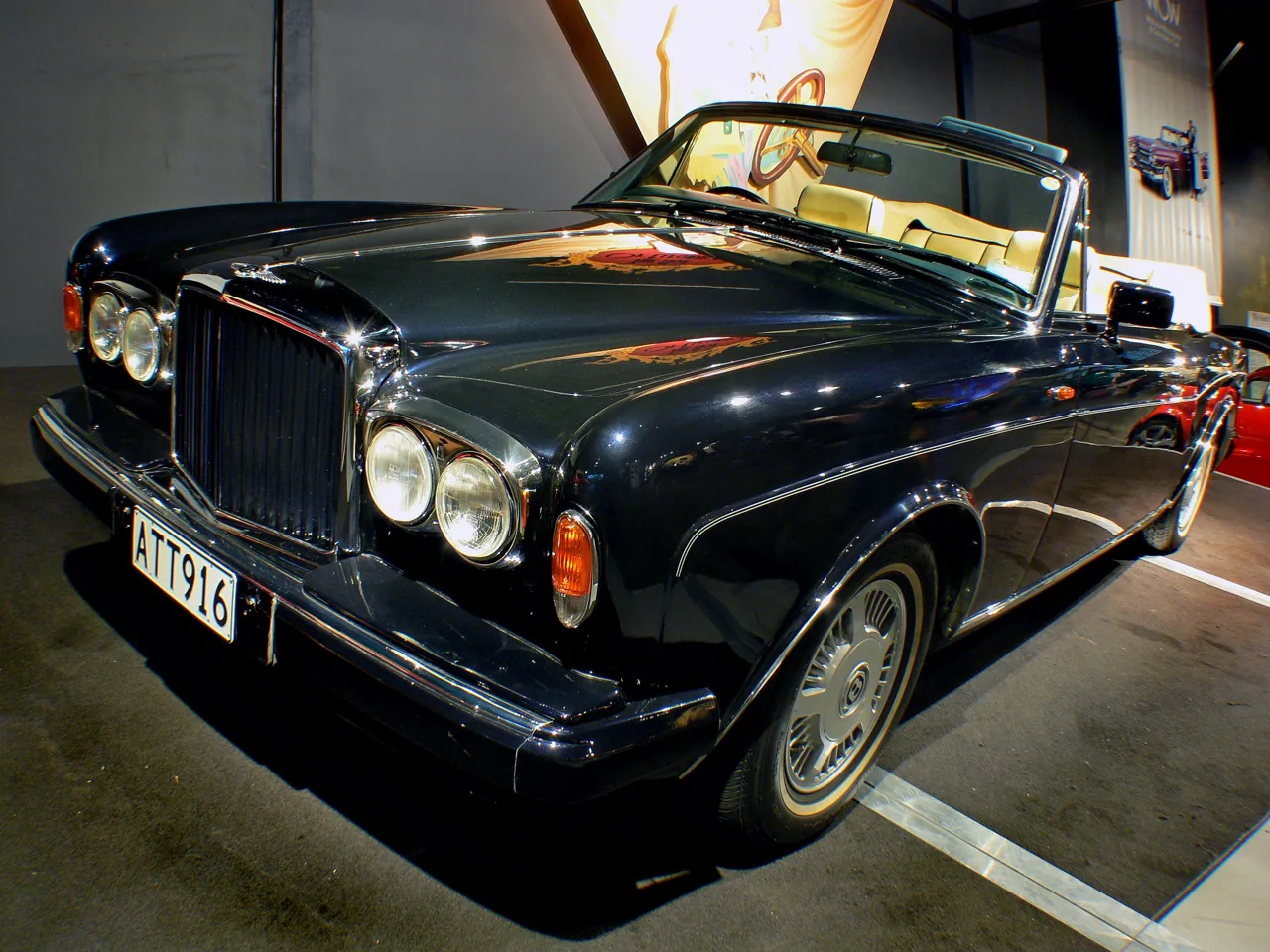
One useful exercise is to choose two photographs from clearly identified periods. Write three observable differences and one similarity. Then look for documentation that explains the design context. This makes history an active investigation rather than a list of dates or a repetition of brand slogans.
Read restoration claims carefully
A car described as original, restored or modified needs more detail. Which parts are original? What work was completed, by whom and when? Does “original colour” mean surviving paint or a later repaint matching a documented specification? Those distinctions matter when describing a vehicle to other readers.
Documentation does not remove every uncertainty, but it helps keep a story proportionate to the evidence. If a display label and an owner's account differ, present the disagreement rather than silently combining them. Personal recollections can add character without replacing records for technical claims.
Enjoy the culture without owning the car
An interest in Bentley can include design study, books, photography, public exhibitions and conversations with knowledgeable custodians. Ownership is not a requirement for meaningful participation. Ask permission before photographing private interiors or sharing identifying documents, and respect barriers around displayed cars.
Three dates, three different questions
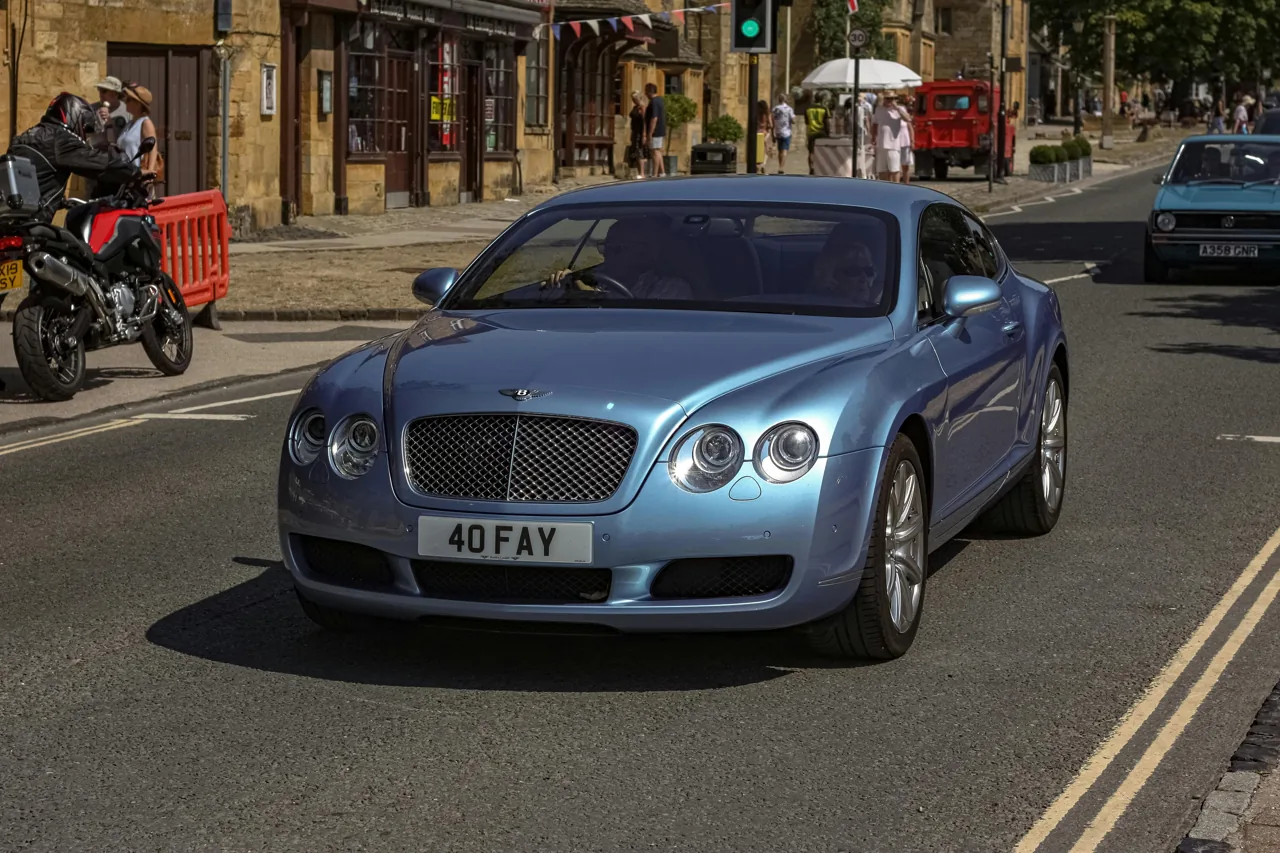
Bentley Motors' historical account records the company's founding in 1919 and its first Le Mans victory in 1924. The modern Continental GT arrived in 2003. These dates mark company formation, competition and a later production-car direction; they should not be blended into a claim that every modern model has the same engineering purpose as a racing Bentley.
| Historical question | Evidence to seek | What the evidence can establish |
|---|---|---|
| What was the car designed to do? | Period launch material and technical descriptions | The stated brief and original specification |
| What did people experience at the time? | A dated contemporary road test | That writer's observations under those conditions |
| What happened to this example? | Build records, invoices and dated photographs | An individual history, with gaps made visible |
Try comparing two photographs separated by decades. Record the proportions first: bonnet length relative to cabin, roof shape, wheel placement and the balance between open and enclosed space. Then ask whether the documents explain those choices. This exercise gives historical reading a direction without pretending that a visual resemblance proves an unbroken engineering lineage.
If you share the comparison, identify dates and sources beside the images. A caption should let a reader distinguish the historical fact from your interpretation. The interesting argument is how a design idea changes, not merely that the badge survives.
Keep a small notebook of models, questions and references. Over time, details begin to connect: a shape you noticed at a show, an explanation in a period brochure, a later model that interprets the idea differently. That is a more durable source of enthusiasm than treating the car as a shorthand for somebody's wealth or success.
Sources & reading notes
Independent researched guidance. Examples are editorial illustrations, not vehicle quotations or firsthand road tests. Our editorial standards.