Contents
A good car photograph gives the viewer something specific to notice. It might be a line through the bodywork, the texture of a seat or the relationship between the car and its surroundings. You do not need an elaborate location or heavy editing to make those details interesting.
Begin with permission and a safe position. Do not step into traffic, enter private property or obstruct access for a photograph. At an event, follow the organiser's rules and respect other visitors. The image is never more important than the people around the car.
Choose the subject within the subject
Before taking a photograph, decide what it is about. If it is about the shape of the car, give that shape room in the frame. If it is about a trim detail, remove distractions by changing position. Trying to show everything at once can make the intended subject harder to see.
Walk around the parked vehicle where permitted and notice how reflections change. A reflection can describe a curve or conceal it. Often a small change of position is more effective than an editing adjustment later. Avoid touching the vehicle to move an object or improve the composition without permission.
Use a small sequence
Take one wider view for context, one view that explains the proportions and one detail. The sequence tells a clearer story than several nearly identical angles. For an interior, ask before entering or placing equipment inside, and take care not to mark surfaces.
Look at the edges of each frame. A sign behind the roof or a bright object beside a wheel can draw attention away from the car. Move yourself when possible rather than assuming everything can be removed afterwards.
Edit to clarify
Adjust exposure and colour with restraint if the aim is documentary. Keep paint and trim colours believable, and do not use edits to conceal damage when describing a vehicle's condition. A heavily stylised image should not be presented as evidence of an exact finish.
Save the original and keep an edited copy. If the image is for a website, export an appropriately sized version instead of uploading a full-resolution file that readers do not need. Preserve the original privately for future use and attribution records.
Write a useful caption
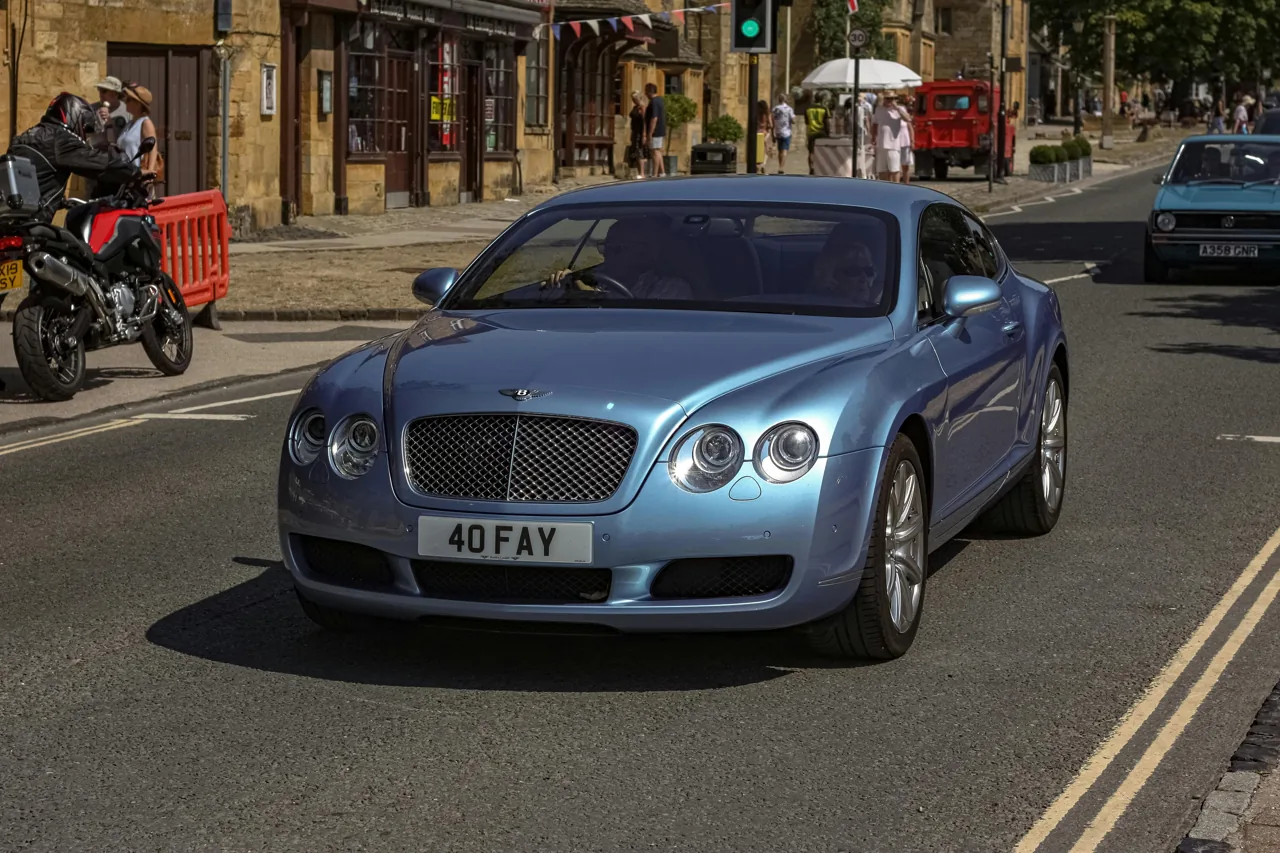
Describe what you can verify. “Dark Bentley coupe on a cobblestone street” is better than guessing a model year, limited edition or location. If you know the precise details from reliable documentation, include them. Keep the photographer's credit and any required licence information with the image.
Alt text serves a different purpose from a promotional caption: it should communicate the relevant visual content to someone who cannot see the photograph. Do not fill it with repeated keywords or claims about luxury. A decorative image may not need a descriptive announcement at all.
Make a six-frame story
Set yourself a short sequence before taking more photographs. This is an original composition exercise, not a requirement to enter or touch a car. Work only where access and photography are permitted.
| Frame | Purpose | Watch for |
|---|---|---|
| 1. Whole car in context | Establish the setting | A background that competes with the roofline |
| 2. Three-quarter view | Explain body proportions | A very close wide-angle view that exaggerates the nearest corner |
| 3. Side detail | Follow one body line | A bright reflection that hides the surface |
| 4. Material boundary | Show how two finishes meet | Focus landing on the wrong surface |
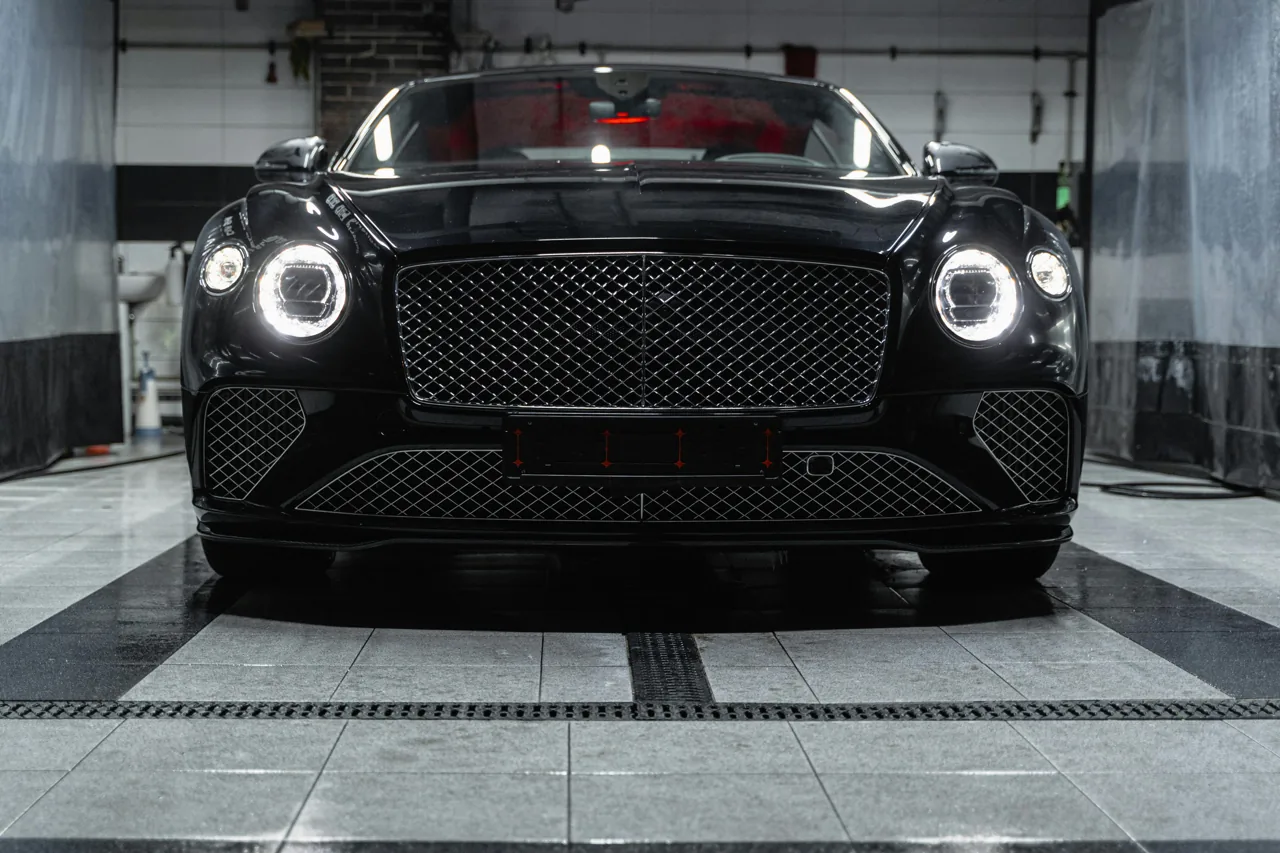
| 5. Repeated element | Study stitching, vents or a grille pattern | A crop that removes the intended rhythm |
| 6. Quiet closing detail | Finish with one clear point of interest | Adding a second subject that weakens the first |
For a phone camera, step back where safe and compare the result with a closer view. The changing perspective can matter more than an editing filter. Keep verticals and edges intentional; neither perfect symmetry nor a dramatic tilt automatically makes a stronger picture.
Choose the final six for variety, not merely sharpness. If four frames explain the same curve, keep the most informative one and look for a missing part of the story. Write a caption for each before deciding the sequence is complete. If you cannot say what a frame adds, it may not belong.
For publication, preserve source files and permission details, then export appropriately sized copies. Documentary photographs should explain what was seen; heavy retouching that changes materials or hides condition belongs in a clearly identified creative treatment.
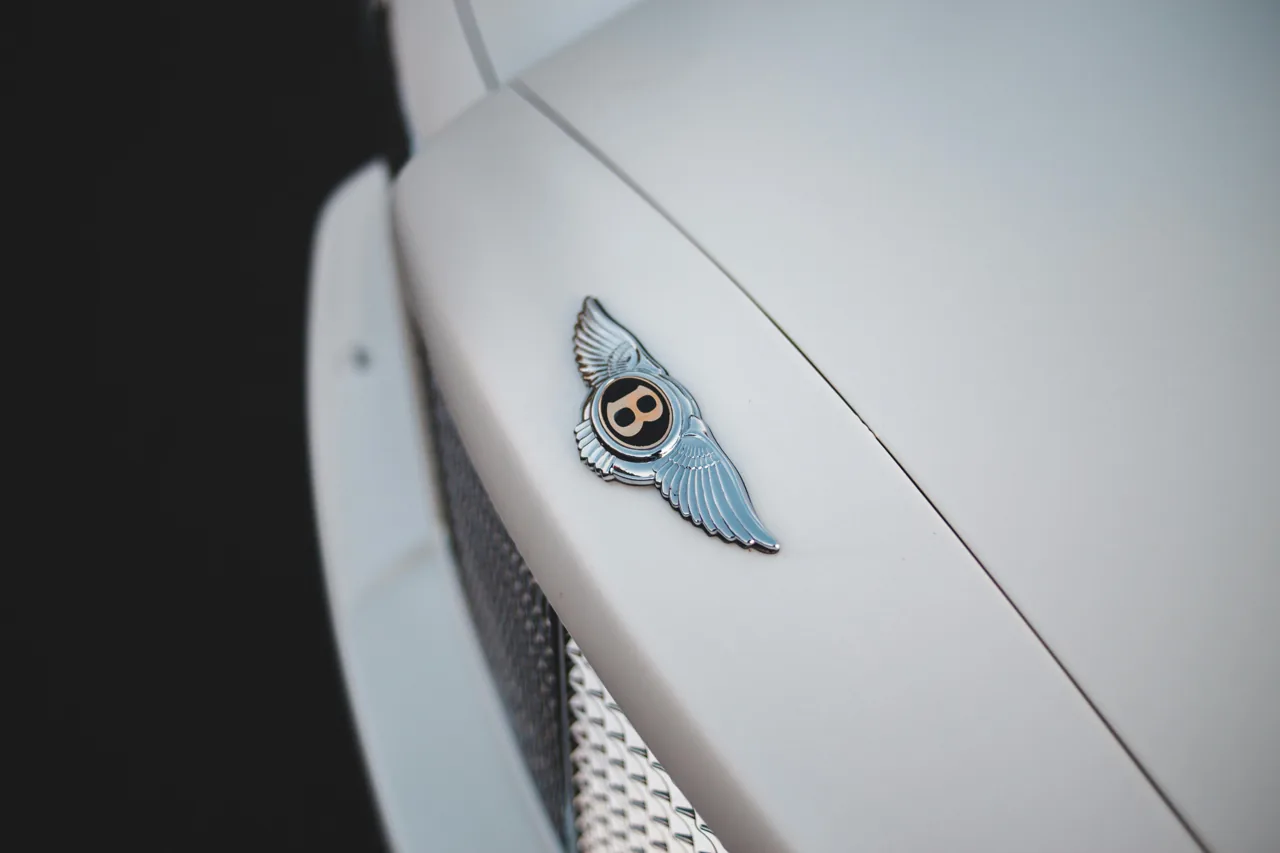
The exercise changes how you look at the car. By choosing a detail and explaining it clearly, you create a photograph that adds to an enthusiast's understanding rather than simply repeating a familiar badge.
Sources & reading notes
Independent researched guidance. Examples are editorial illustrations, not vehicle quotations or firsthand road tests. Our editorial standards.